Booking options
£365

£365
Delivered In-Person
6 hours
All levels
Course Structure & ModulesMost accredited programs follow a standardized curriculum divided into two main parts:1. Theoretical Foundations (2–3 Hours)
Vascular Anatomy & Physiology: Identification of suitable veins (e.g., cephalic or median cubital) and understanding the differences between veins and arteries.
Legal & Professional Aspects: Training on informed consent, professional accountability, and documentation requirements.
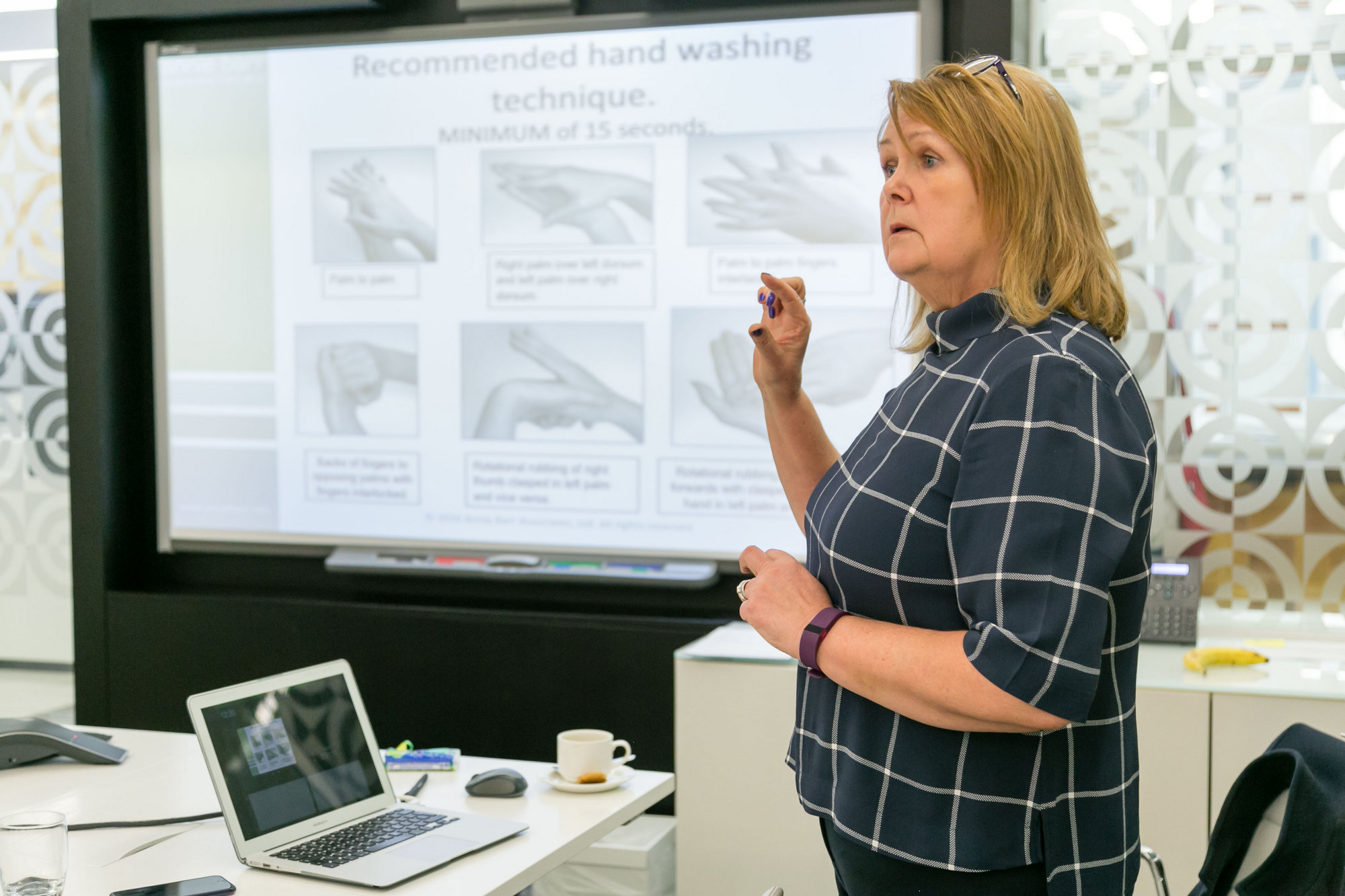
Infection Control: Mastering the Aseptic Non-Touch Technique (ANTT) and proper hand hygiene to prevent phlebitis or systemic infections.
Equipment Selection: Choosing the correct cannula gauge (color-coded sizes) based on the patient’s clinical needs, such as fluid resuscitation or medication delivery.
2. Practical Simulation (3–4 Hours)
Hands-on Practice: Learners use manikin arms to practice the step-by-step procedure:
Applying a tourniquet and identifying a "springy" vein.
Inserting the needle at a 15–30 degree angle.
Confirming "flashback" (blood visible in the chamber) before advancing the cannula.
Securing the device with sterile dressings and flushing with saline to ensure patency.
Complication Management: Learning to troubleshoot issues like hematomas, infiltration (fluid leaking into tissue), or needle-stick injuries.
Expected Outcomes
Certificate of Attendance: Issued upon completion of the simulation, typically valid for 2 years.
Clinical Competency: Training provides the foundation, but full competency requires supervised practice and a formal "sign-off" by a senior clinician in a real-world workplace setting.