Booking options
£70


£70
Delivered In-Person
1 hour 30 minutes
All levels
Course Description
Dysphagia (difficulty swallowing) can have serious consequences, including choking, aspiration, aspiration pneumonia, malnutrition and dehydration.
This practical 2-hour course is designed to give healthcare professionals and care staff the knowledge and confidence to recognise potential swallowing difficulties and respond safely and appropriately.
The session focuses on early recognition, safe eating and drinking practices, the IDDSI Framework, positioning, documentation and appropriate escalation.
Training is informed by current UK guidance and recognised best practice, including guidance from the Royal College of Speech and Language Therapists (RCSLT), NICE and the International Dysphagia Diet Standardisation Initiative (IDDSI).
Course Overview
During this interactive session, delegates will explore how normal swallowing occurs, what can go wrong, who may be at increased risk of dysphagia and the signs that should raise concern.
The course places particular emphasis on the healthcare worker's role in recognising, responding, documenting and escalating concerns while maintaining the individual's dignity, independence and safety.
This is an awareness course and does not qualify delegates to diagnose dysphagia or independently prescribe food textures or drink consistencies.
Key Learning Objectives
· By the end of the course, delegates will be able to:
· Define dysphagia and understand the normal swallowing process.
· Recognise common causes and risk factors for dysphagia.
· Identify signs and symptoms of swallowing difficulties.
· Understand the potential consequences of dysphagia, including aspiration, choking, malnutrition and dehydration.
· Understand the purpose of the IDDSI Framework.
· Apply principles of safer eating, drinking and positioning.
· Understand the difference between choking and aspiration.
· Recognise when swallowing concerns require escalation.
· Document observations clearly and appropriately.
· Understand the importance of person-centred care, dignity and independence.
Who Should Attend?
· This course is suitable for:
· Registered Nurses
· Healthcare Assistants
· Carers and Support Workers
· Residential and Nursing Home Staff
· Domiciliary Care Staff
· Personal Assistants
· Other health and social care professionals who support individuals with eating, drinking or swallowing difficulties
No previous dysphagia training is required.
Teaching Methods
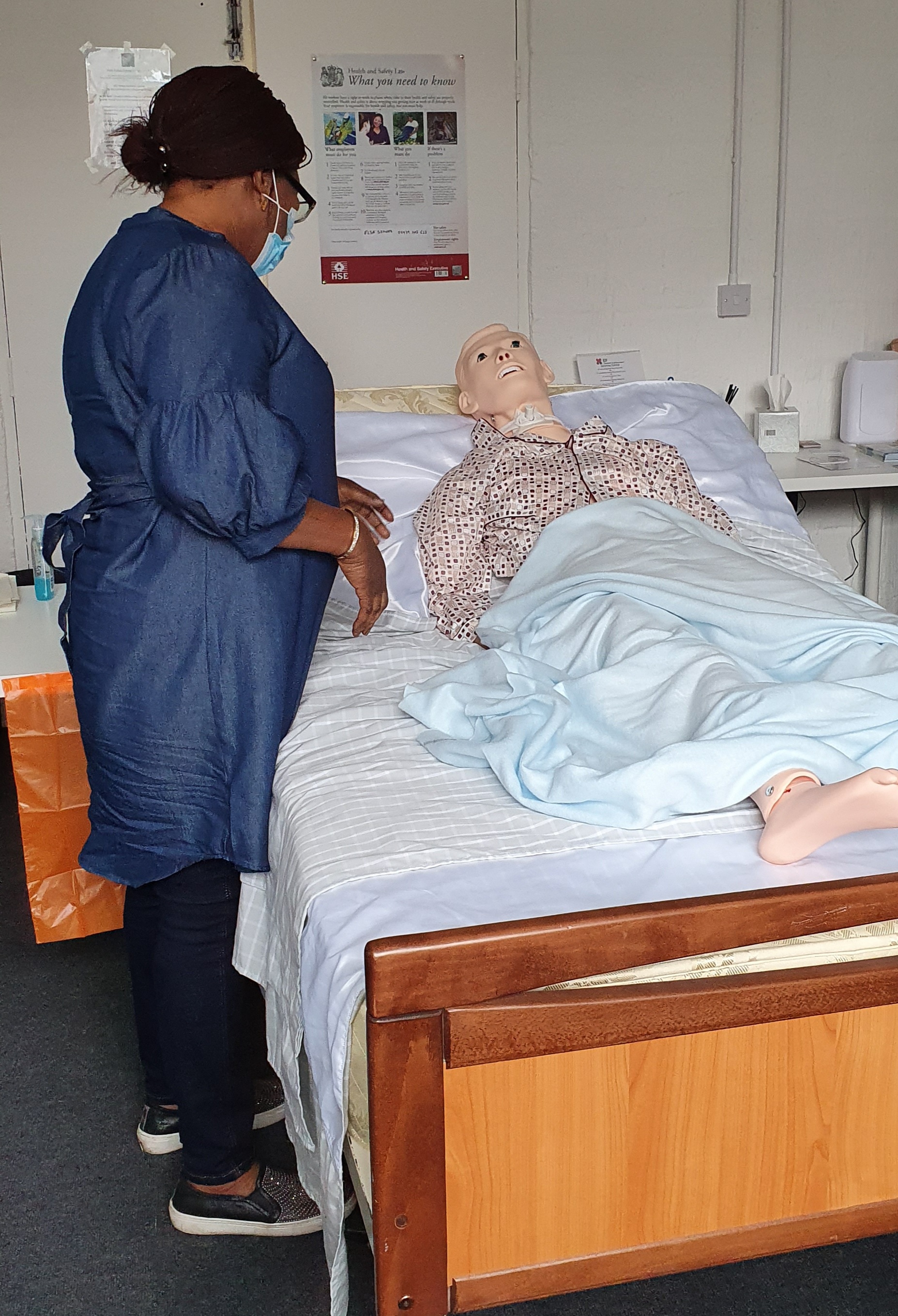
The course is delivered face-to-face in a supportive and interactive environment.
Teaching includes:
· Tutor-led discussion
· Visual learning and clinical infographics
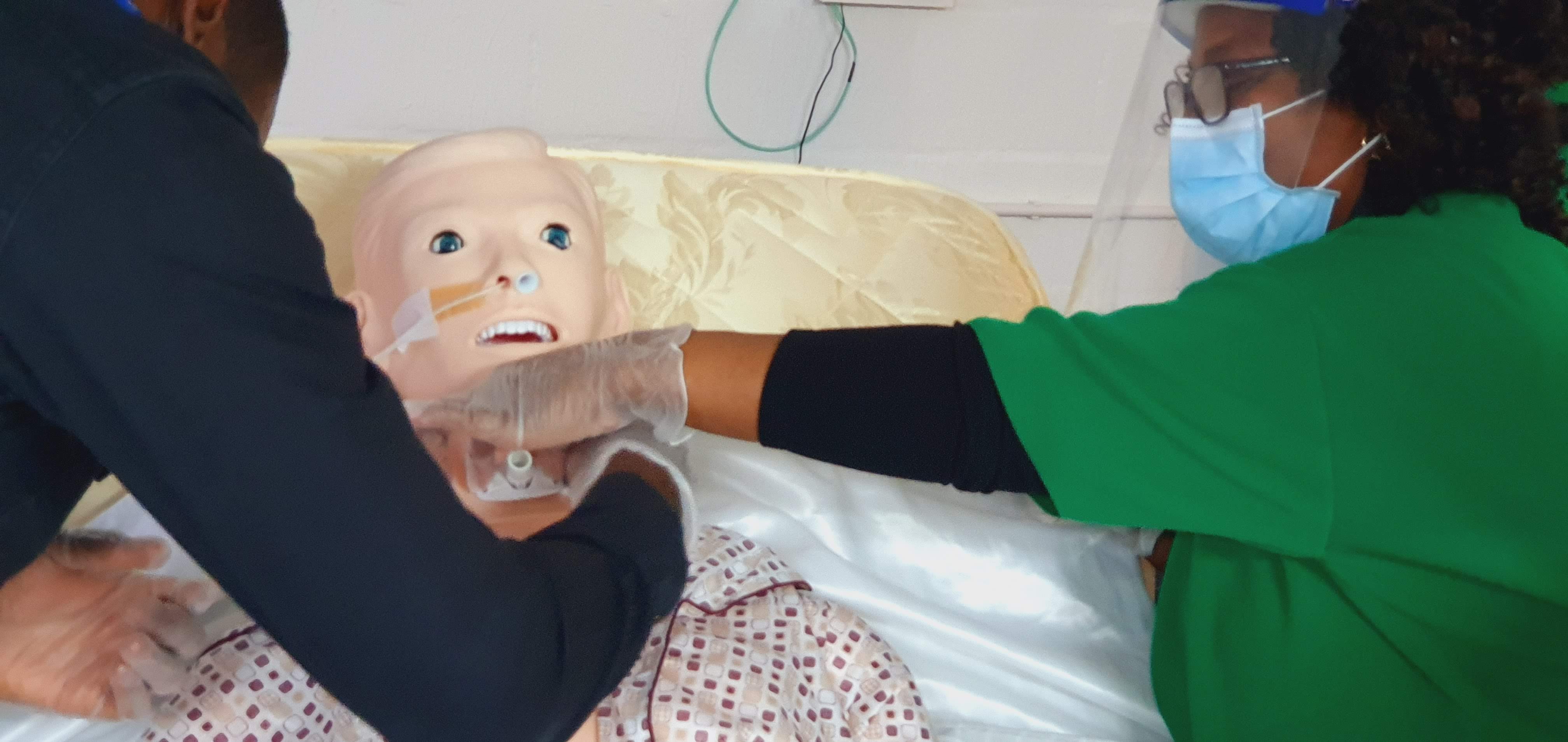
· Practical demonstrations
· Real-world examples
· Clinical scenarios
· Group discussion
· Knowledge checks
One-to-one and small-group delivery allows delegates to ask questions and relate the learning directly to their own healthcare or care environment.
Course Duration
Approximately 2 hours
Available as one-to-one or small-group training.
Assessment
Understanding is assessed throughout the session through:
· Tutor questioning and discussion
· Clinical scenarios
· Participation throughout the session
· End-of-course knowledge check
This is an awareness course and does not constitute a formal swallowing assessment or clinical competency qualification.
Certification
Delegates who successfully complete the course will receive an EF Training & Consultancy Ltd Certificate of Completion.
A paper certificate is provided on the day of face-to-face training.
A digital copy can be supplied on request at no additional cost.
Trainer
Training is delivered by an experienced healthcare professional with current knowledge of health and social care practice.
Our trainers understand the realities of caring for individuals in hospital, residential, community and home-care environments and use this clinical experience to bring the training to life.
Why Choose EF Training & Consultancy?
Centre of Excellence for Training
EF Training & Consultancy is recognised as a Centre of Excellence for Training, reflecting our commitment to delivering high-quality, professional healthcare education.
Our training is designed to bridge the gap between theory and the realities of delivering safe, person-centred care.
When you train with us, you can expect:
· Centre of Excellence for Training
· Face-to-face, interactive learning
· Training informed by current UK guidance and recognised best practice
· Experienced healthcare professional trainers
· Practical, real-world clinical scenarios
· Small-group and one-to-one learning
· A supportive environment where questions are encouraged
· Training focused on safe, person-centred care
· Theory linked directly to everyday healthcare practice
What to Bring
Delegates do not need to bring any specialist equipment.
Please bring:
Any questions or clinical situations you would like to discuss during the session.
All course materials required for the training will be provided.
Recognise Early. Respond Safely.
Dysphagia can easily go unnoticed, particularly when aspiration occurs without obvious coughing or choking.
Knowing what to look for—and what to do when something doesn't seem right—can make a significant difference to an individual's safety, nutrition, hydration, dignity and quality of life.
Book your Recognising and Managing Dysphagia training with EF Training & Consultancy Ltd and develop the confidence to recognise swallowing difficulties and respond appropriately.
Course Highlights
✓ Centre of Excellence for Training
✓ 2-Hour Face-to-Face Training
✓ Suitable for Nurses, HCAs & Carers
✓ One-to-One & Small-Group Training
✓ IDDSI Awareness
✓ Practical Clinical Scenarios
✓ Current UK Guidance & Best Practice
✓ Certificate of Completion
✓ Digital Certificate Available on Request at No Extra Cost