Booking options
£242
+ VAT
£242
+ VATClassroom
CPD Course
Foundation
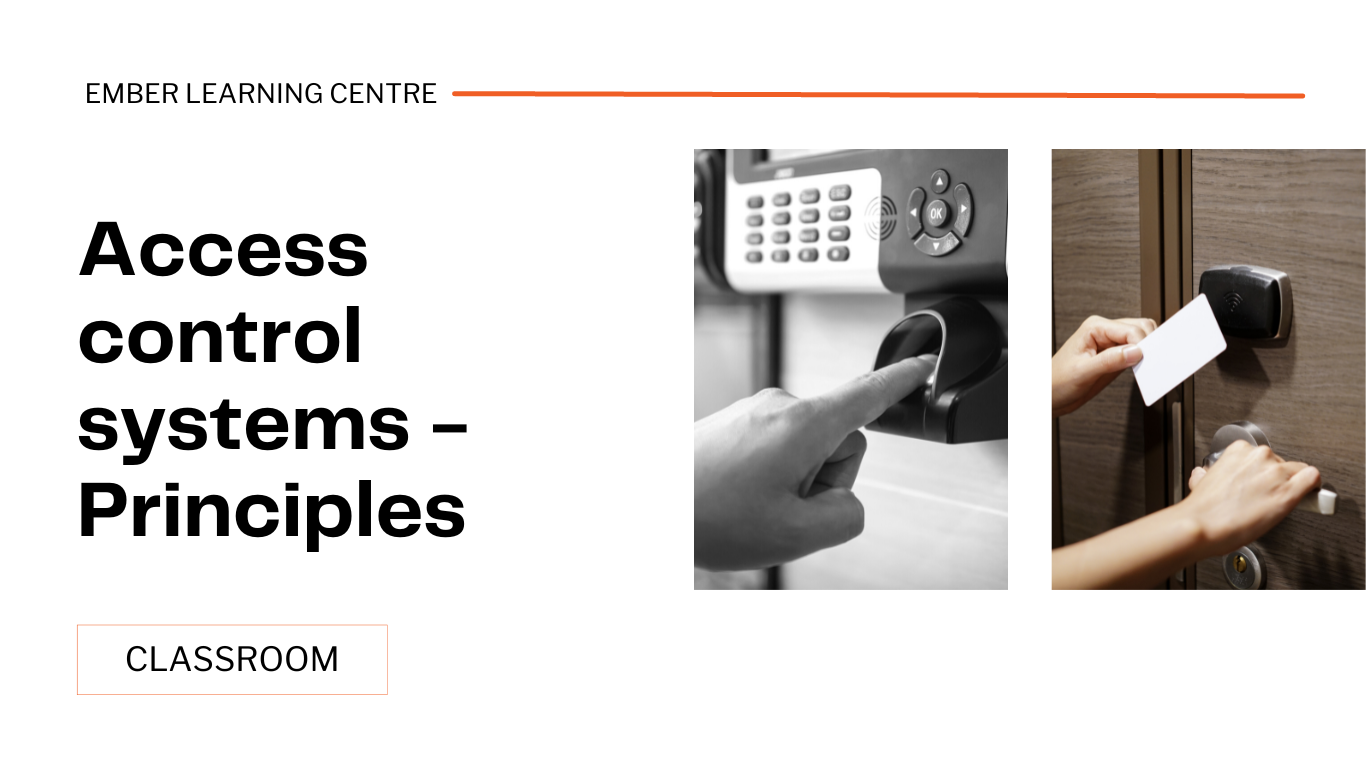
Intruder and hold-up alarm systems are about more than detecting an intrusion – they're about protecting people, property and responding to risk.
Designing an effective intruder alarm system means understanding risk assessment, system grading, environmental classification and how recognised standards influence system performance and police response.
This course provides a practical introduction to the complete lifecycle of Intruder and Hold-up Alarm Systems (I&HAS), covering risk assessment, system design, installation, commissioning, maintenance and ongoing compliance.
You'll explore how systems are specified and delivered in accordance with EN 50131, PD 6662, BS 8243, BS 9263, and other recognised industry standards, while developing a clear understanding of system grading, notification methods and operational requirements.
By the end of the course, you'll understand how to design, install and maintain compliant intruder alarm systems that meet both customer requirements and industry best practice.
Who this course is for?
Ideal as a starting point if you’re new to intruder alarm systems or want to better understand grading, compliance, and system design.
Security engineers and installers working with intruder alarm systems
Designers and specifiers involved in system planning
Facilities and property managers responsible for security systems
Security consultants and FM providers
Anyone needing a structured introduction to I&HAS
What you’ll get from this course
Clear understanding of intruder alarm system standards and grading
Knowledge of risk assessment and system design principles
Awareness of police response requirements and compliance
Insight into installation, commissioning, and maintenance processes
After this course, you’ll be able to
Understand how intruder alarm systems should be designed and specified
Apply grading and risk assessment to system selection
Recognise how standards influence system performance and response
Understand the full lifecycle of I&HAS systems
Course Content
Applicable standards (EN 50131, PD 6662, BS 8243, BS 9623)
Security risk assessment
System grading
Levels of supervision
Notification options
Environmental classification
Police response requirements
System design
Installation and commissioning
Maintenance
Standby battery capacity calculations
Documentation
At Ember Compliance, we're committed to helping fire and security professionals develop the knowledge, skills and confidence needed to work safely and competently.
Our courses are delivered by experienced industry professionals who combine technical expertise with practical, real-world experience. Whether you're new to the industry or looking to expand your knowledge, our training is designed to be engaging, informative and directly applicable to your day-to-day role.
We offer a range of classroom and live online courses, with many leading to nationally recognised RQF qualifications. Our focus is on supporting ongoing competence and professional development, helping technicians and businesses meet industry standards and best practice.
Yes. Many of our courses are available as both classroom and live online training, giving you the flexibility to learn in the way that best suits you.
If an online version of this course is available, you'll find it listed alongside the classroom option on our website.
Absolutely.
Our trainers encourage questions and discussion throughout every course, helping learners understand how the requirements apply in real-world situations. Whether you're looking for clarification on a technical topic or practical guidance based on your own experience, we're here to help.
We recommend arriving approximately 15 minutes before the course start time. This gives you plenty of time to register, enjoy refreshments and get settled before the training begins.
Yes.
Tea, coffee and refreshments are available throughout the day for all classroom learners.
For full-day courses, a complimentary lunch is also provided. Before your training date, we'll contact you to ask about any dietary requirements or allergies to ensure suitable catering is arranged.
Unless advised otherwise, all training materials will be provided.
If there's anything specific you need to bring, such as photographic identification for an assessment or particular equipment, this will be explained in your joining instructions before the course.
Training is an important part of demonstrating competence, but attending a course alone does not make an individual or organisation compliant.
Compliance depends on a range of factors, including appropriate qualifications, experience, competence, company procedures and ongoing professional development.
Our courses are designed to help learners understand current requirements and apply industry best practice with confidence.
Each course is based on the current edition of the relevant British Standard, legislation or industry guidance, as detailed in the course description.
Where standards are updated, we regularly review and update our training materials to reflect the latest requirements and industry best practice.
There is no single answer, as it depends on your role and the subjects you work with.
Many technicians choose to refresh their knowledge whenever standards are updated, legislation changes or new technologies emerge. Regular CPD also helps maintain confidence and supports continued professional competence.