- Professional Development
- Medicine & Nursing
- Arts & Crafts
- Health & Wellbeing
- Personal Development
18561 Courses
BMEC Diploma in Business Management
By Bmec Qualifications
Business rated qualification containing six units and equating to 120 on the UK NQF

Goalkeeper Coaching Wolverhampton
By Reactions Goalkeeper Coaching
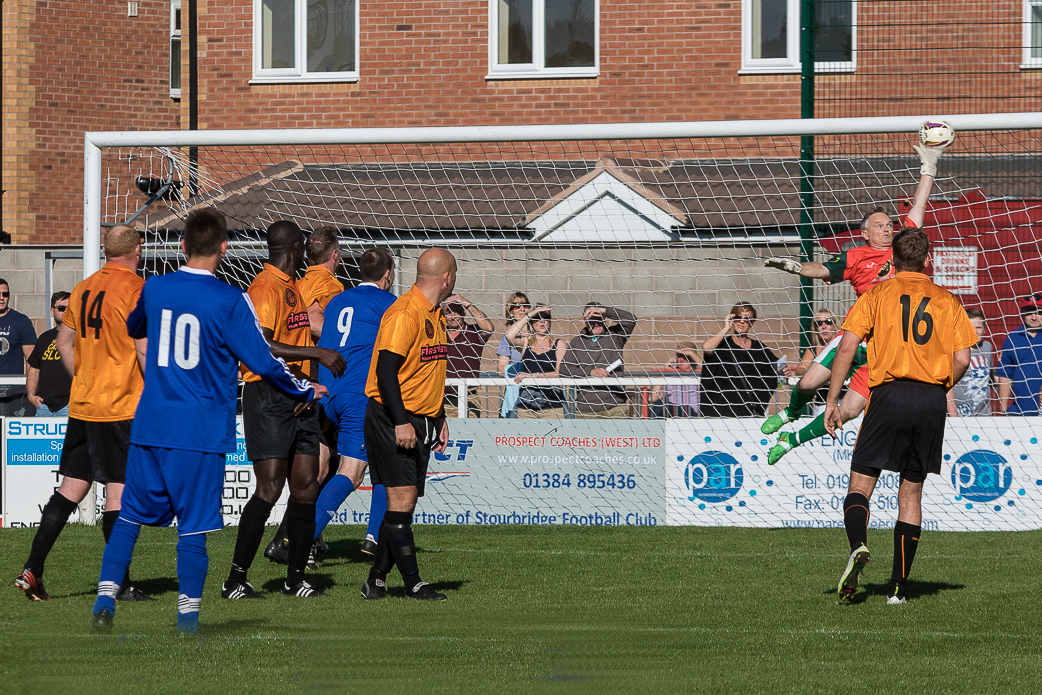
Goalkeeper Specific Coaching by FA accredited and fully insured coaches.
Goalkeeper Coaching Cannock
By Reactions Goalkeeper Coaching
Goalkeeper Specific Coaching by FA accredited and fully insured coaches.
Goalkeeper Coaching Stafford
By Reactions Goalkeeper Coaching
Goalkeeper Specific Coaching by FA accredited and fully insured coaches.
Level 2 Award in Infection Prevention and Control (RQF)
By NR Medical Training
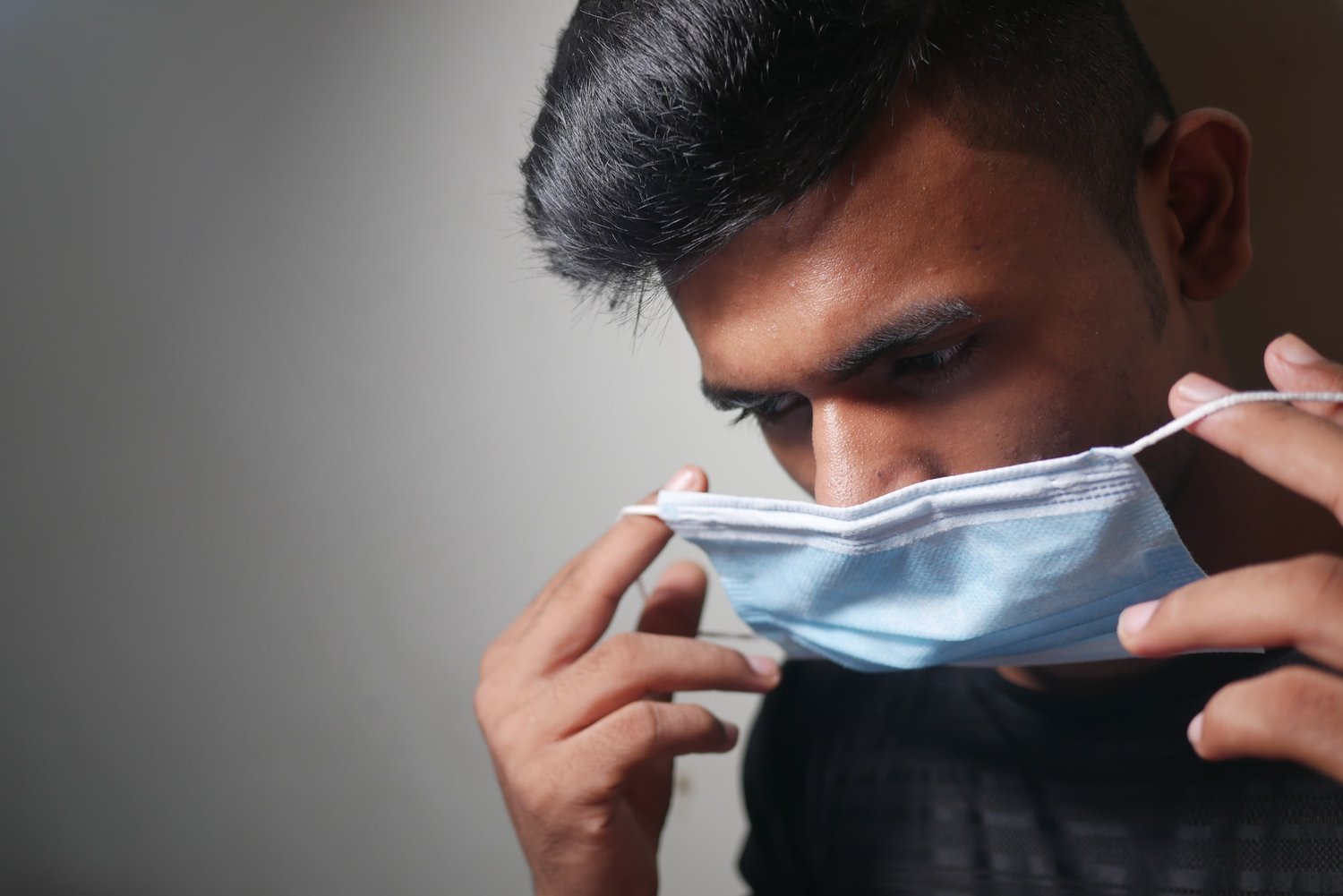
With the recent pandemic, infection prevention and control has never been so important. This regulated and nationally recognised qualification provides learners with the opportunity to develop their knowledge of the principles of infection prevention and control, and how best to protect those around them. The QA Level 2 Award in Infection Prevention and Control (RQF) has been specifically designed for those who have a responsibility in infection prevention and control within their job roles, such as: care assistants, health care workers or other healthcare environments.
Level 2 Award in Moving People Safely (RQF)
By NR Medical Training
Our Level 2 Award in Moving People Safely (RQF) has been designed specifically for those who work or intend to work in a profession that requires assisting and moving people. It is perfect for those who work in a variety of health and social care settings, such as care homes.

Screen acting classes - Evenings
By Vernon Acting Method
Evening classes are weekly 7pm to 10pm. Limited to 8 actors. Scripts are emailed in advance. You are on camera every week.

Legionella/Water Quality Risk Management – General Awareness
By HYDROP E.C.S.
Our Legionella/Water Quality Risk Management – General Awareness course offers a basic introduction to Legionnaires' disease Management and Control.
Understanding cultural differences in the global sales environment is critical to your salespeople’s success. Developing their intercultural communication skills and knowledge of the sales and negotiation techniques of different cultures and nationalities, will help them to ensure relationships are as effective and rewarding as possible. Bespoke courses include: The impact of language and cultural differences on the sales environment Communication techniques in international sales Effective sales questions A global mindset Culture and its impact on sales Delivering on different cultural expectations Perceptions of time across cultures and the impact on sales cycles and timelines

Evidence suggests great virtual training can can be dramatically more effective than face-to-face. In fact, the Neuroleadership Institute’s research suggests that a smart virtual learning programme is around 6 times more likely to get people to take actions than an in-person course! Harness that power by building your staff’s skills in these key areas: Understanding the role of training and development Learning theories and styles The thinking environment – active vs passive Methodologies and techniques – why do we do what we do? Setting great aims and objectives Lesson planning and effective timing Activities that give your virtual courses the edge